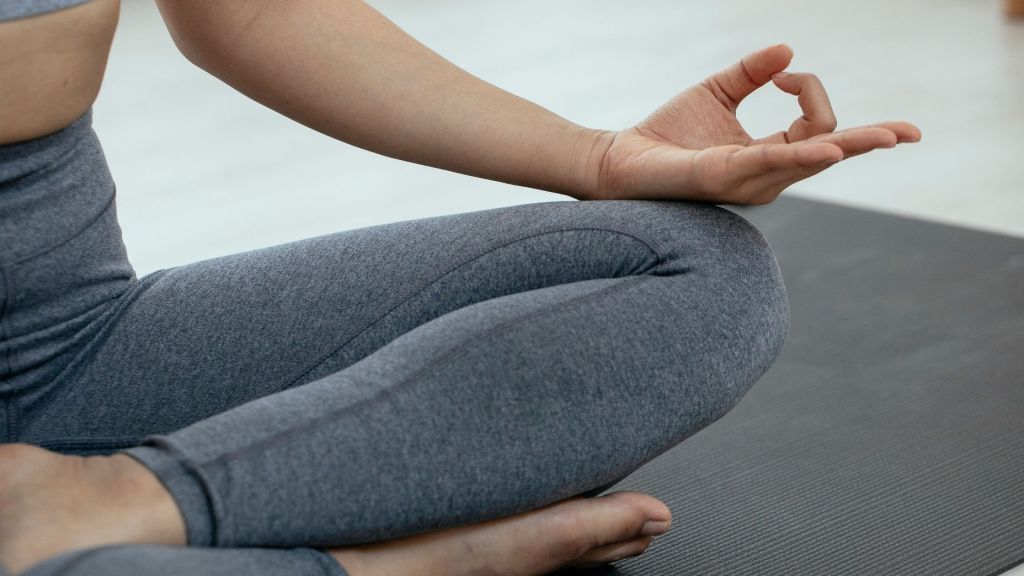
Meditation has become increasingly mainstream over the past few years. There are plenty of how-to videos on YouTube, multiple articles, and studies about its benefits. Yet there is still a fair bit of resistance to it. Many people cite a lack of time and perhaps it’s also due to its association with the spiritual community, so can often be written off as being a bit “woo-woo”.
I’m here to tell you though that meditation and its benefits are accessible to everyone. It doesn’t have to mean sitting still for hours on end, and can just take a few minutes if that’s really all you have. After all, we can all find a moment to sit still.
Before I show you how to do it, let’s whizz over a few definitions.
What is Meditation?
Meditation is the practice of training your mind while connecting with your breath. Don’t think that you have to totally empty your mind, there are many ways to meditate and so plenty of opportunities to find one that best suits you.
Mindful Meditation
Mindful meditation is perhaps the most diffused meditation practice, and probably the easiest place to start. This form of meditation is based on practising stillness and calming the mind. Pay attention to what you’re feeling and centre in on the present moment. The practice is about observing your thoughts from a place of non-judgement.
Guided Meditation
Guided meditations are perfect for anyone that feels a little bit hesitant about meditation as they are very easy to follow. During a guided meditation a teacher leads you through a meditation practice, this can be in a class, via audio, or video.
Transcendental Meditation
Transcendental meditation is a popular form of meditation that’s practised twice daily for 20 minutes at a time. During the practice you sit still with your eyes closed, silently repeating a dedicated mantra.
Walking Meditation
A walking meditation is essentially meditation in motion. Rather than sitting still, it’s about being aware of our bodies and physical sensations as we move. It’s a practice in mindfulness, noticing how the ground feels beneath your feet, becoming aware of the different sensations in your body as you walk.
What’s a Mantra?
To put it simply, a mantra is a sound or word that is repeated to help focus the mind during meditation. The word itself is broken down into two components: “man” which means mind, and “tra” which means transport/vehicle, therefore a mantra can be understood as an instrument for the mind.
Benefits of Meditation
Meditation benefits are physical, emotional, mental, and even spiritual. Here are a few of the main benefits you can expect from a meditation practice:
- Reduced stress and anxiety. Many studies show that meditation calms the nervous system and it has also been shown to lower cortisol levels. Reduced stress also lowers inflammation in the body and boosts the immune system.
- Less emotional reactivity. Research shows that meditation can help us to be more centred, mindful, and less emotionally reactive.
- Spiritual benefits. Combined with other benefits such as less reactivity and lower levels of stress and anxiety, spiritual meditation can lead you to feeling more balanced and an inner sense of calm that isn’t related to outside circumstances. This can lead to feeling a stronger sense of belonging, as well as an increase in creativity and self-esteem.
- Deeper Relaxation. Meditation triggers the body’s relaxation response, restoring the body to a state of calm.
How to Meditate
I’ve put together a few tips to help you start your meditation practice. Use these tips for whenever you want to feel good, calm your mind and de-stress, or boost your mood.
- Create a dedicated meditation space. Find a space that’s calm, uncluttered, and quiet that you can dedicate to your practice. You can of course meditate anywhere, however I like the ritual of creating the right mood before getting into my practice. If you’re short on space then light a candle and set up a meditation pillow.
- Sit in a comfortable position. Sit on your meditation pillow or cushion and close your eyes. Sit upright but keep yourself relaxed, try to avoid tensing up.
- Breathe gently. Keep your breathing easy and slow at first, in a gentle rhythm. Try to be present in the moment and let your breath flow.
- Let distractions come and go. Come from a place of non-judgement. If you find your mind wandering, acknowledge it and then bring your attention back to your breathing. It’s normal to get distracted, so don’t worry if you feel your mind wander. Just learn to accept it and anchor back into the present moment.
- Don’t get hung up on timing. Start slow with five or so minute meditations to begin with. Don’t expect to be able to meditate for an hour if you’ve never practised before. As you get more experienced, you can start to increase your timing. Consider a guided meditation to begin with, so that you can follow along.
Try to meditate at the same time each day, in order to build it up into a habit. Many people meditate in the morning as a way to improve their focus for the day ahead. Others choose to meditate in the evening as an opportunity to wind down and let go of the day. Pick whichever works for you and try to stick to it.
There are also plenty of apps to use to help you along with your practice, such as headspace, and calm. Or you could consider guided meditation lessons, where you follow a teacher that will guide you through the meditation.
Meditation has multiple benefits and is a budget-friendly way to de-stress and re-centre. Give it a try and see how you get along. Drop any questions and let me know how you get on in the comments and I’ll get back to you!
Happy meditating!




 Better Balance + Flow
Leave a comment