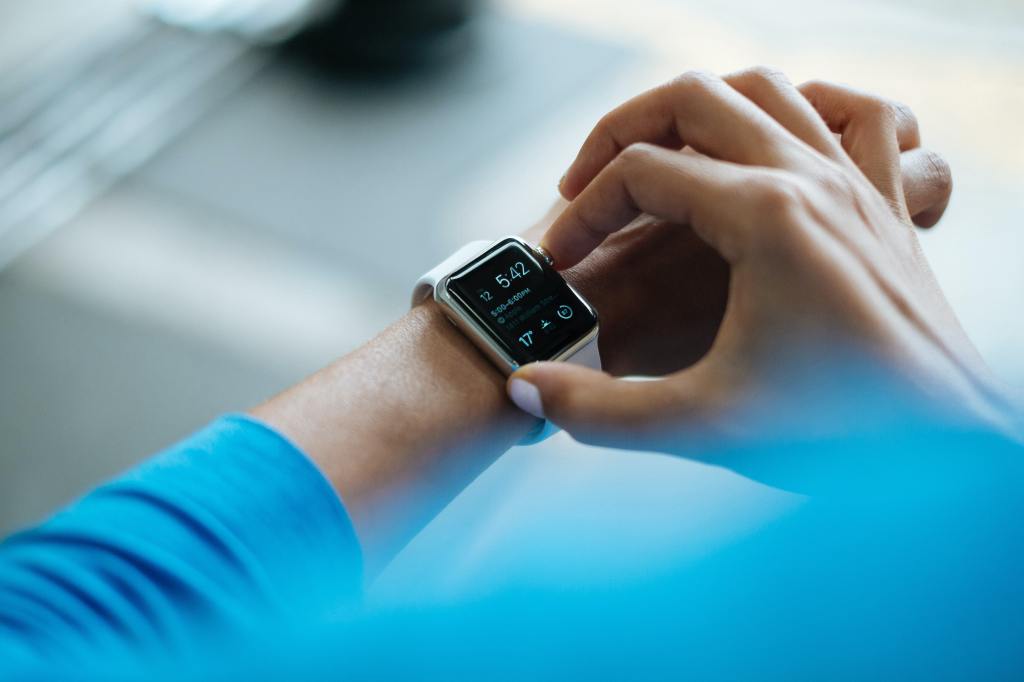
If you’ve been feeling stressed out or anxious lately, then you’re not alone. Unsurprisingly burnout and stress are at an all time high due to the past 2 years of pandemic. It begs the question, could stress trackers help us to cope with our stress better and improve our overall well being?
Why track stress?
Feeling stressed out or anxious is already unpleasant enough, but if ignored, ongoing stress can also lead to all kinds of health problems down the line too. If you’re constantly feeling stressed out, your body and overall health and wellbeing may well start to feel the effects of it.
Using a wearable stress tracker might then be a means to help you to better manage any stress that you might be feeling.
Many of us suffer from stress, but it’s not always obvious what’s causing it. By using a device to track our stress levels, you can monitor your levels of stress and start to piece together where and when you are feeling more stressed out. Moreover, many tracking devices will give you tips to alleviate any stress that you’re feeling.
How do stress trackers work?
Tracking stress is certainly more complicated than tracking steps and involves much more complex technology. Tracking stress can be measured in various different ways: tracking heart rate, breathing, variation in heart rate, and electrodermal activity sensors.
Although your wearable device might be able to track your stress, you will still need to figure out exactly what is making you feel anxious or stressed out. That’s not to say it’s not useful to track your stress though, the wearable can help you to improve your awareness of when you are feeling anxious or stressed out. It can help you to become more mindful, and pay more attention to how you feel when you do become stressed out. And several devices like Garmin, Fitbit, and Samsung will also send you prompts and tips to aid you in decreasing your stress levels the moment they start to sense your levels rising.
If you’re tech adverse, or looking for a less expensive option, then you can try journaling or noting down moments when you are feeling particularly stressed out. Look for common themes over time to help better understand where this stress is coming from and what triggers to look out for. Even if you have a stress-tracking device, it’s worth noting down the moments in which your wearable has sensed that you have higher levels of stress to help you piece together why that might be.
How to alleviate stress and anxiety
To calm your body down, you need to switch from fight or flight mode into rest and digest mode, activating the parasympathetic nervous system to soothe and decrease any stress or anxiety.
Some ways that you can do this are:
- Breath work: in a moment of stress take a long deep breath in and exhale out slowly. Repeat this five times.
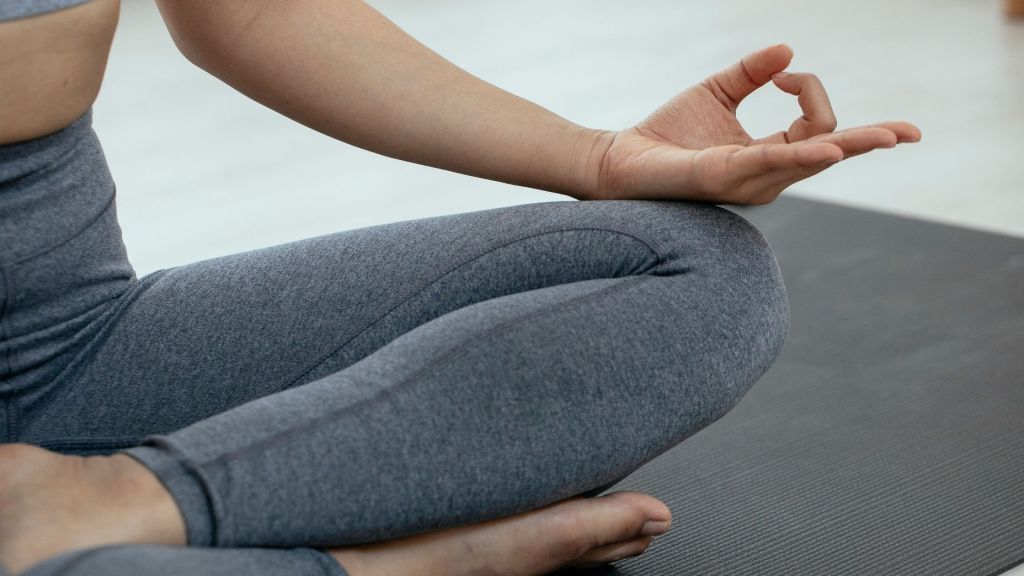
- Yoga: practising yoga will improve your breathing, resilience, strength, flexibility, and overall well being.
- Eat a nutritionally balanced diet: this plays a huge part in keeping us healthy and fit. By following a diet with the right balance of minerals, nutrients, and food groups, we can support the parasympathetic nervous system.
- Exercise: Get moving for at least 30 minutes 4 to 5 times a week, alternate high intensity with slower paced activities.
- Get outside: spending just 20 minutes in nature can help to reduce stress. Spend some time in your nearest green space and you’ll soon feel its soothing effects.





 Better Balance + Flow
Leave a comment