

You’ve probably heard the phrases, “getting a good night’s sleep”, “beauty sleep”, or “sleeping like a baby”. Other than getting a little extra rest, are the any actual benefits? Do these catchy sayings have any depth to them? As it turns out, getting a good night’s sleep can not only improve your appearance, but may also have implications on overall diet and lifestyle choices.
Background & Benefits:
It appears that beauty sleep is not just a thing of legend. It’s totally legitimate and, let’s be honest, it kind of makes sense that we might look and feel better after a decent amount of shut eye. Overnight our body’s cells have time to repair and if we’re getting good sleep, blood circulation improves, meaning less chance of a puffy face and bags under our eyes and tighter, clearer skin. If on the other hand we’re not sleeping well then our body might interpret that as stress, resulting in higher amounts of cortisol in the body and subsequent breakouts and slower cell repair.
It’s not just good for our looks though, you’ve most likely recognized that how well you sleep affects how you feel. A good night’s sleep is ruled by the parasympathetic system, the ‘rest & digest’ control center in our central nervous system. Quality ‘restorative sleep’ aids the body in recovery, helping us to feel restored, alert and ready for our day ahead. Studies have shown that more time spent in ‘restorative sleep’ is also linked to a healthier diet and better dietary self-control. We can’t argue with that!
So now we know why we should get a good night’s sleep, but how can we guarantee that we can? It’s not always easy to fall asleep, especially after a chaotic day when your mind is still reeling from all of the stressful events. We’re here for you and have put together our top tips to help you set yourself up with a solid bedtime routine and peaceful transition to sweet dreams.
How to get a better night’s sleep:
- Be consistent. Try to keep your bedtime and morning alarm to a set time. By establishing a consistent time to wake up and fall asleep, you’re likely to fall asleep more easily, sleep better and wake up feeling refreshed. It doesn’t matter what time you decide to wake up and go to sleep, other than getting in a good 7 hours. It’s ok to waiver it every now and again but the overall take home is that consistency is key!
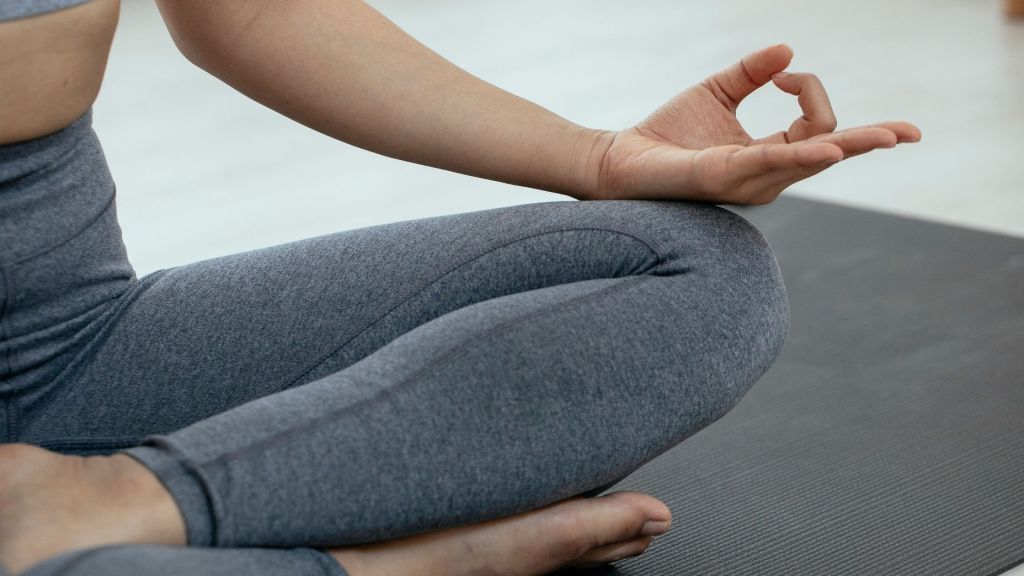
- Establish a wind down routine. Set yourself up for a good night’s sleep by gently winding down before bed. This could mean turning off your devices an hour before your dedicated bedtime, helping you avoid the blue light emitting gadgets which delay melatonin release. Melatonin is a hormone that helps us to sleep which also increases in the evening. You might also try some gentle yoga, stretching or meditation to calm your mind and body. Taking a warm shower or bath can also help you to slow down, relax and get ready to drift off. We also recommend dim lighting in the evening, a calming cup of tea and soft music to help send you off into a deep sleep. Find out what works for you, and you’ll be snoozing in no time.
- Journal/practice gratitude. Jotting down your thoughts for the day, expressing your worries and concerns, or picking a list of what you can be grateful for can all help stop your mind from racing and overthinking before bedtime. This helps to avoid any unnecessary tossing and turning by alleviating any anxiety you might have from the day or any worries you may have for an upcoming task or work presentation!
- Set yourself up during the day. What you do during the day counts too and can help set you up for a good night’s sleep. Move around, don’t drink caffeine too late, and try to eat at regular mealtimes. Healthy sleep starts from the decisions you make during the day which affect your digestion, stress level and overall quality of life.
What are some activities that help you wind down at the end of the night? Share some of your tips in the comment below!





 Better Balance + Flow
Leave a comment